
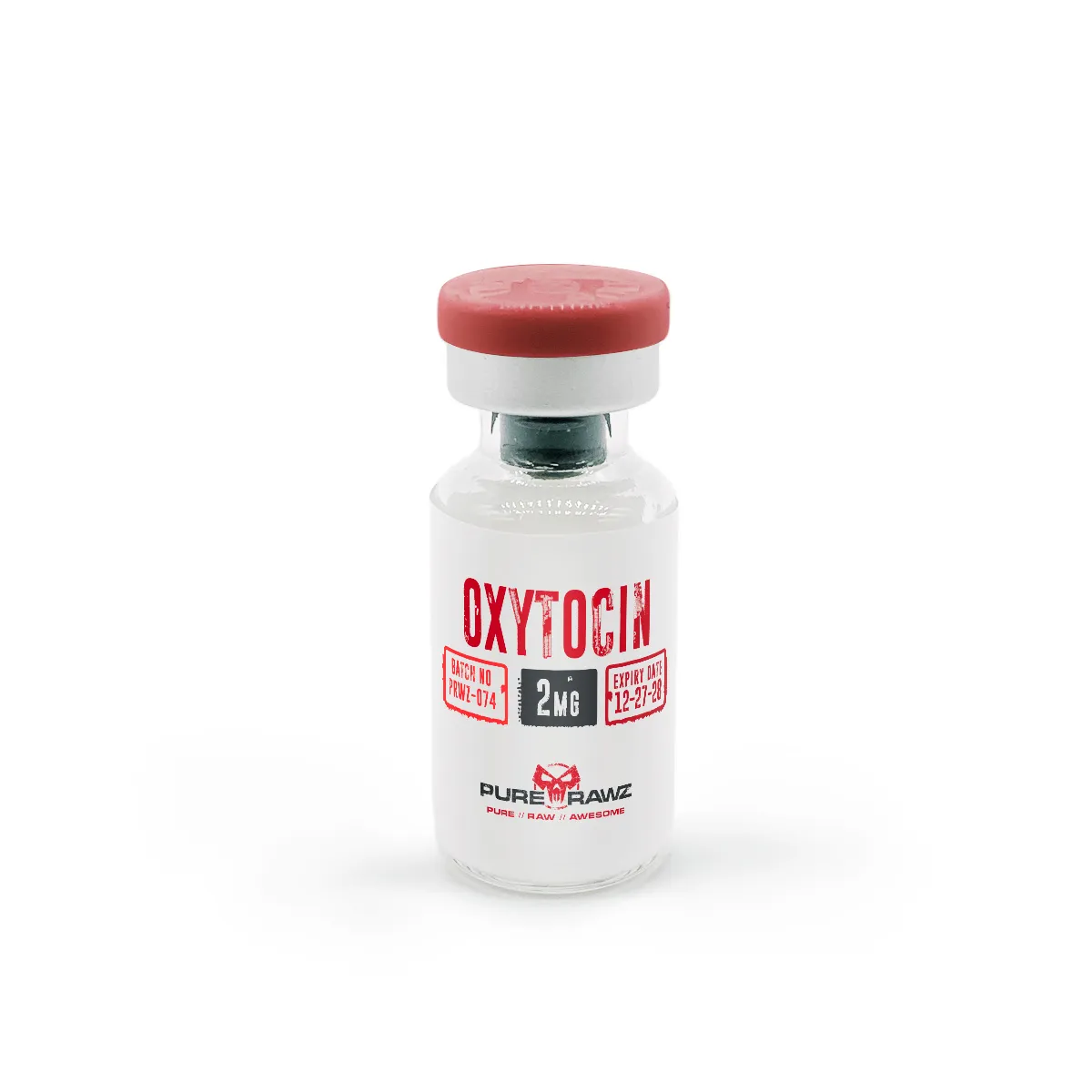
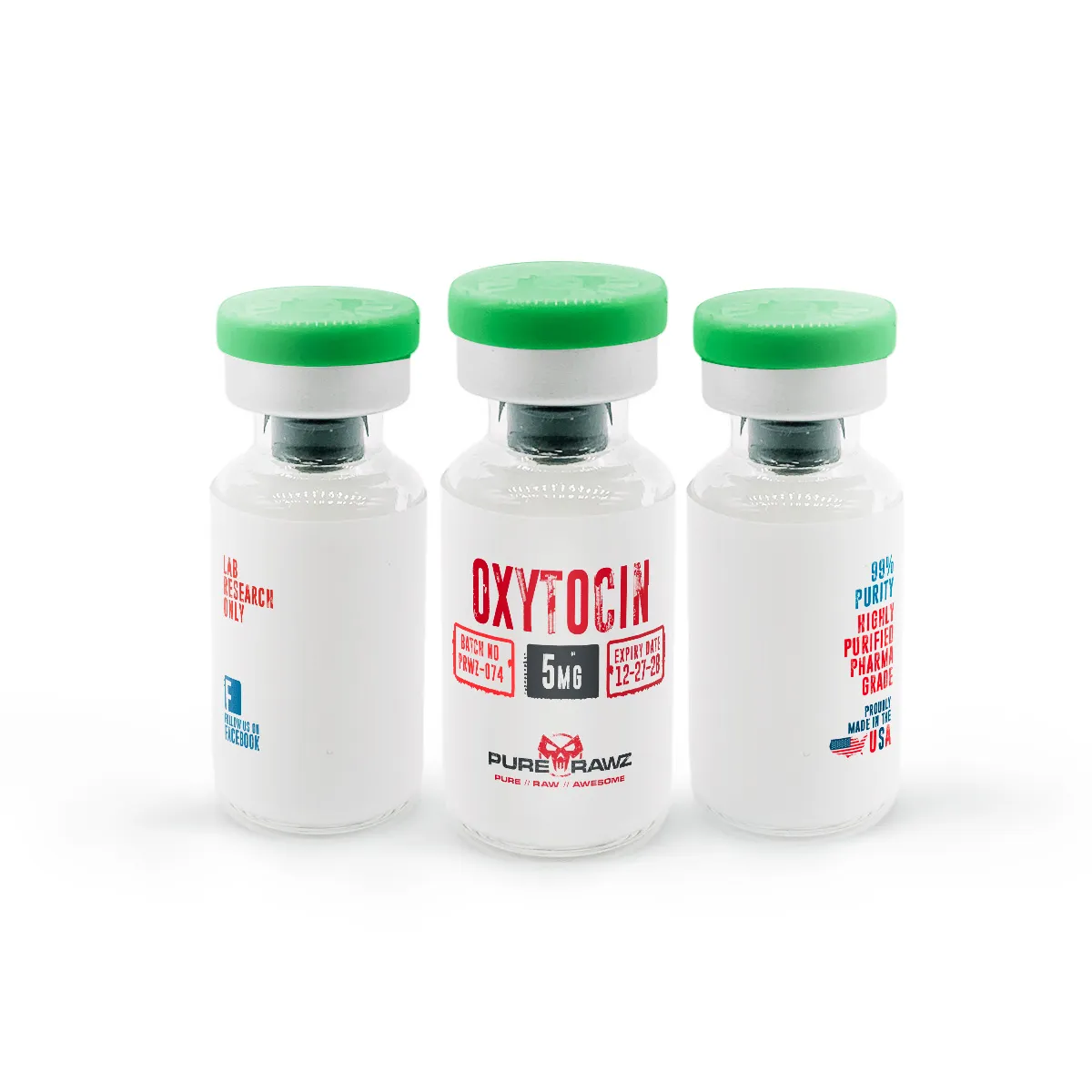
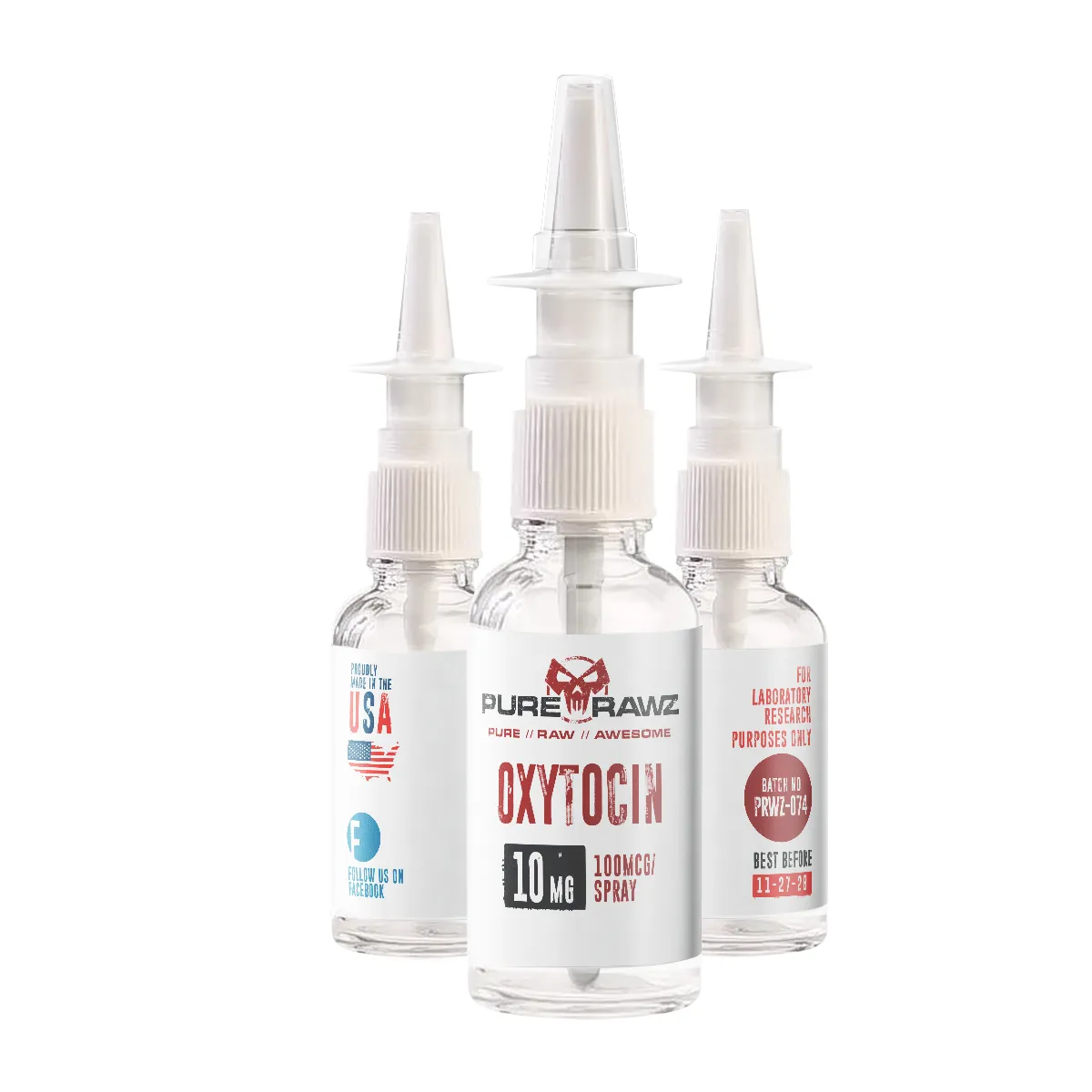
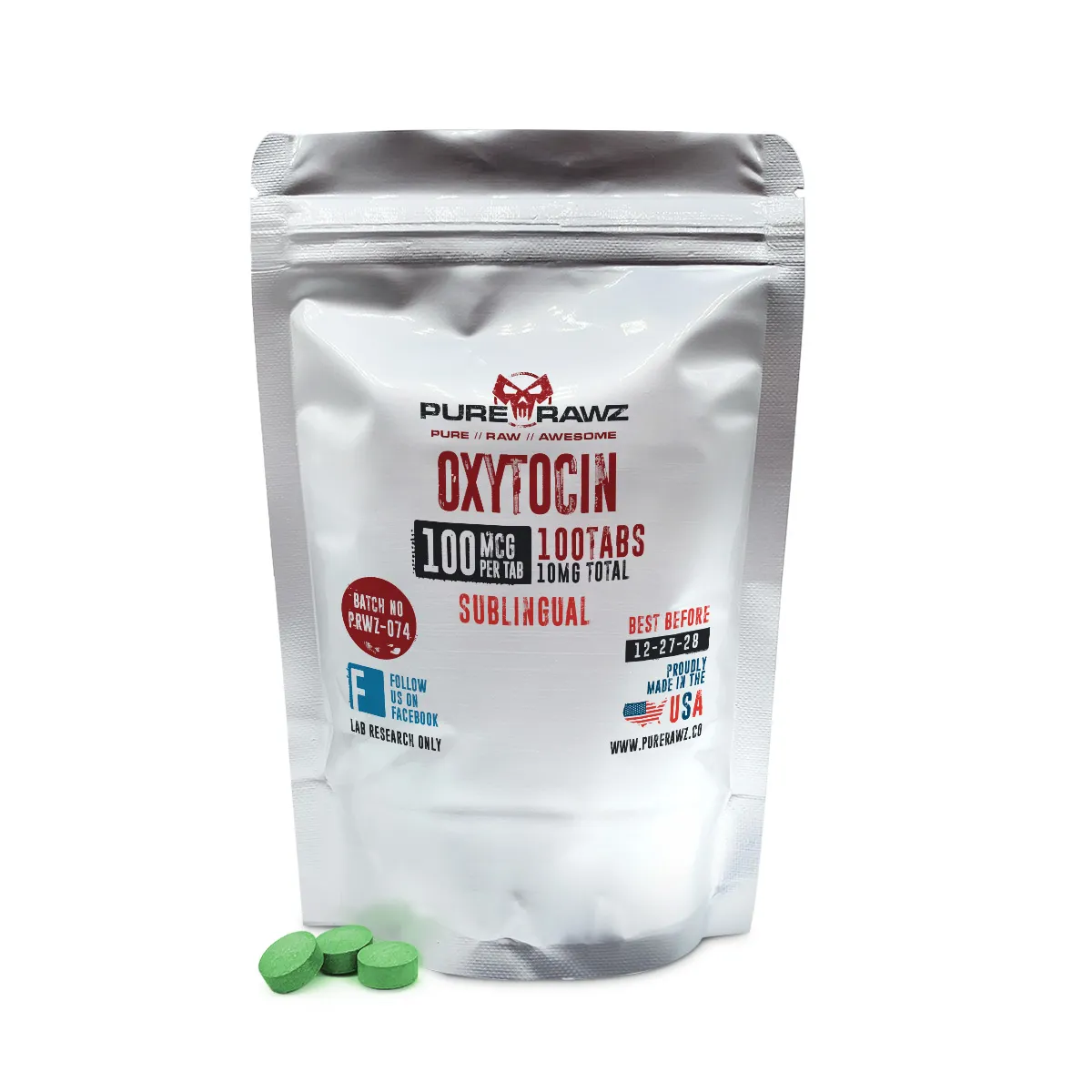
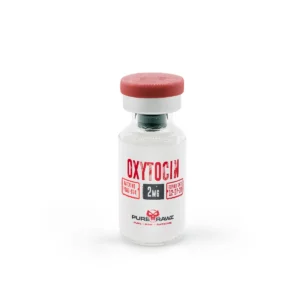
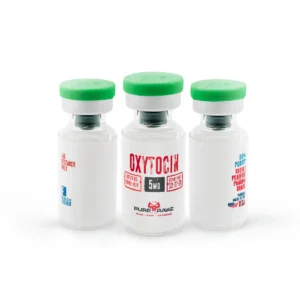
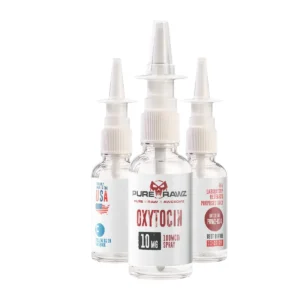
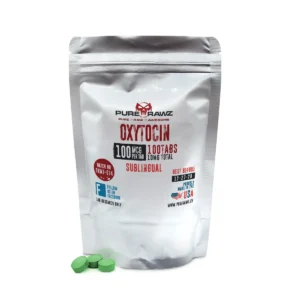
Oxytocin
$36.14
Note: We recommend using sterile Bacteriostatic Water for reconstitution.
- 1st and 3rd Party Verified for 99% Purity
- Free Shipping on Orders Over $100+
Overview of OT-9 amino
OT-9 (Oxytocin) is a synthetic form of oxytocin, a naturally occurring nonapeptide hormone composed of nine amino acids. It is supplied exclusively for laboratory and analytical research.
OT-9 Amino is supplied for scientific and analytical research. Investigators may examine receptor-binding behavior, ligand selectivity, peptide stability, intracellular signaling, and molecular interactions involving oxytocin receptor pathways.
Because peptide signaling is highly context-dependent, research involving OT-9 Amino typically emphasizes mechanistic analysis rather than outcome-driven assumptions.
Current literature supports continued investigation into oxytocin receptor signaling, but many pathway-level questions remain under active study.
What is OT-9 Amino?
OT-9 Amino is a research peptide associated with oxytocin-related signaling pathways and intended for laboratory investigation only.
Proposed Mechanism of Action of OT-9
Oxytocin exerts its biological activity primarily through activation of the oxytocin receptor (OXTR), a class A G protein-coupled receptor (GPCR). Experimental research investigates downstream signaling pathways following receptor activation.
OT-9 Amino is structurally related to oxytocin; however, direct receptor-binding data for OT-9 remains limited and requires further experimental validation.
The extent of receptor affinity, selectivity, and activation kinetics may vary depending on molecular configuration and experimental conditions.
Following receptor engagement, OT-9 Amino is proposed to activate intracellular signaling cascades associated with Gq/11 proteins, which may stimulate phospholipase C (PLC) activity.
It may promote the generation of secondary messengers such as inositol triphosphate (IP3) and diacylglycerol (DAG). These signaling molecules are commonly studied for their role in intracellular calcium mobilization and signal amplification, both of which are important components of receptor-mediated cellular communication.
Chemical Properties of OT-9
| Property | Value |
| Compound | Oxytocin |
| PubChem CID | 439302 |
| Molecular Formula | C₄₃H₆₆N₁₂O₁₂S₂ |
| Molecular Mass | 1007.19 Da |
| Molecular Weight | 1007.2 g/mol |
| CAS | 50-56-6 |
| Synonyms | Pitocin, Syntocinon, Ocytocin |
Possible Research Applications of OT-9
OT-9 has been investigated in several preclinical research applications, though further study is required. So far, here is what researchers have found;
-
Neuroendocrine Signaling Research
Preclinical research may investigate OT-9 Amino in experimental models to examine peptide-mediated neuroendocrine signaling pathways and intercellular communication. Such studies may support mechanistic understanding of hormone-regulated signaling networks under controlled laboratory conditions.
-
Receptor Pharmacology Studies
Preclinical receptor pharmacology studies may evaluate OT-9 Amino for ligand-receptor interaction characteristics, including binding affinity, selectivity, and signaling behavior.
-
Peptide Chemistry and Stability Analysis
Laboratory-based peptide chemistry studies may assess OT-9 Amino for physicochemical properties such as stability, degradation kinetics, and structural integrity.
These analyses may support quality control and experimental reproducibility across research applications.
-
Molecular Biology and Cellular Assays
Preclinical cellular assays may examine OT-9 Amino in in vitro systems to study signaling pathways, biomolecular interactions, and cellular response patterns.
Such investigations may provide mechanistic insights at molecular and cellular levels.
-
Comparative Peptide Research
Comparative preclinical studies may evaluate OT-9 Amino alongside structurally related peptides to examine differences in molecular behavior and receptor interaction profiles.
These analyses may contribute to broader understanding of structure–activity relationships in peptide research.
Why Buy OT-9 from PureRawz?
The processes are structured to support laboratory and analytical research requirements, with emphasis on consistency, controlled handling, and product integrity throughout storage and distribution. Product-related documentation, including batch information and analytical records where applicable, is maintained to support traceability and research verification. Materials are handled under controlled conditions intended to minimize contamination risk and preserve compound stability during packaging and fulfillment.
FAQs
Is OT-9 Amino approved for human use?
No. OT-9 Amino is not approved for human or veterinary use and is supplied strictly for laboratory research purposes.
What type of molecule is OT-9 Amino?
It is categorized as a peptide compound structurally related to oxytocin, a naturally occurring nonapeptide.
How should OT-9 Amino be stored?
Storage conditions depend on formulation and supplier specifications. Researchers should always follow batch-specific storage recommendations and handling guidance.
Disclaimer
The products sold by Purerawz are intended solely for laboratory and laboratory research purposes. They are not FDA-approved for human or animal consumption, and Purerawz does not sell these compounds for use in humans or animals. All compounds are strictly for use by qualified researchers in controlled, non-clinical laboratory environments in compliance with applicable regulations.
Reference Links
Gimpl, G., & Fahrenholz, F. (2001). The oxytocin receptor system: Structure, function, and regulation. Physiological Reviews, 81(2), 629–683. https://purerawlab.com
PubMed: PMID 11274341
Arrowsmith, S., & Wray, S. (2014). Oxytocin: Its mechanism of action and receptor signalling in the myometrium. Journal of Neuroendocrinology, 26(6), 356–369. https://purerawlab.com
PubMed: PMID 24888645
Devost, D., Wrzal, P., & Zingg, H. H. (2008). Oxytocin receptor signalling. Progress in Brain Research, 170, 167–176. https://purerawlab.com)00415-9
PubMed: PMID 18655881
Park, E. S., Won, J. H., Han, K. J., Suh, P. G., Ryu, S. H., Lee, H. S., Yun, H. Y., Kwon, N. S., & Baek, K. J. (1998). Phospholipase C-delta1 and oxytocin receptor signalling: Evidence of its role as an effector. Biochemical Journal, 331(1), 283–289. https://purerawlab.com
PubMed: PMID 9512491
| Form | Peptide, Nasal Spray, Sublingual Tablets |
|---|---|
| Strength | 100mcg/spray = 10mg total, 2mg, 5mg, 10mg, 100mcg per tablet/100ct/10mg |
Related products
Peptides
Peptides
Peptide Unconstituted
Peptide Unconstituted
Peptide Unconstituted
Peptides
Peptide Unconstituted